Cart
0

What Is the Purpose of a Notary Journal? Why Every Notary Should Keep One
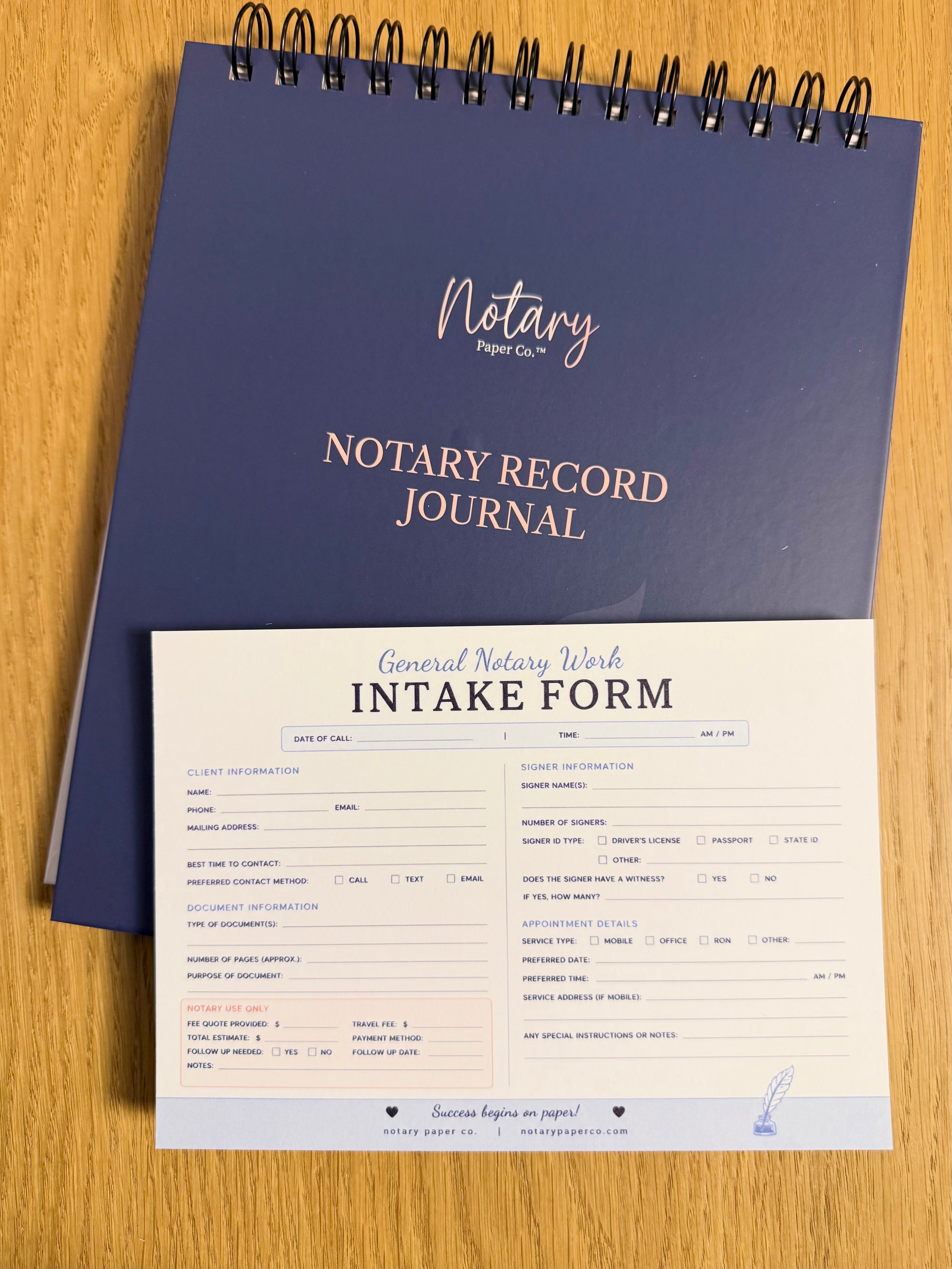
A notary journal is one of the most important recordkeeping tools a Notary Public can have. While the specific journal requirements vary from state to state, the purpose of a notary journal is simple: to create a reliable record of the notarizations you perform.
Whether you are a brand-new notary, a mobile notary handling general notary work, or a loan signing agent completing multiple appointments each week, keeping an organized notary journal can help protect both you and the people you serve.
What Is a Notary Journal?
A notary journal—sometimes called a notary record book—is a chronological record of a notary’s completed notarial acts.
Depending on state law and the type of notarization performed, a journal entry may include information such as:
- The date and time of the notarization
- The type of notarial act performed
- A description or title of the document
- The name of the signer
- How the signer was identified
- Identification details when permitted or required
- The fee charged
- The signer’s signature
- Additional notes about the notarization
Notary journal requirements vary significantly by state, so notaries should always follow the laws and administrative rules that apply in the state where they are commissioned.
Why Is a Notary Journal Important?
1. It Creates a Record of the Notarization
Months—or even years—after an appointment, you may not remember the details surrounding a particular notarization.
Your journal can provide a contemporaneous record showing when the notarization occurred, what type of notarial act you performed, and other information you documented at the time.
Instead of relying on memory, you have a record to reference.
2. It Can Help Protect the Notary
Notaries sometimes encounter questions long after an appointment has been completed.
A signer may dispute a transaction. An attorney may request information. A document may become part of litigation. You may even receive a subpoena or other lawful request concerning a notarization.
A properly maintained journal may help establish what occurred during the appointment and what information you recorded at the time.
Think of your journal as part of your professional documentation—not just another item in your notary bag.
3. It Helps Maintain Consistent Procedures
A good journal encourages you to follow the same recordkeeping process from appointment to appointment.
When you’re completing several notarizations in a day, having a consistent routine can reduce the likelihood of forgetting important details.
Check the identification.
Perform the notarial act.
Complete the certificate.
Record the transaction.
Consistency is an important part of running a professional notary business.
4. It Provides a Chronological History of Your Work
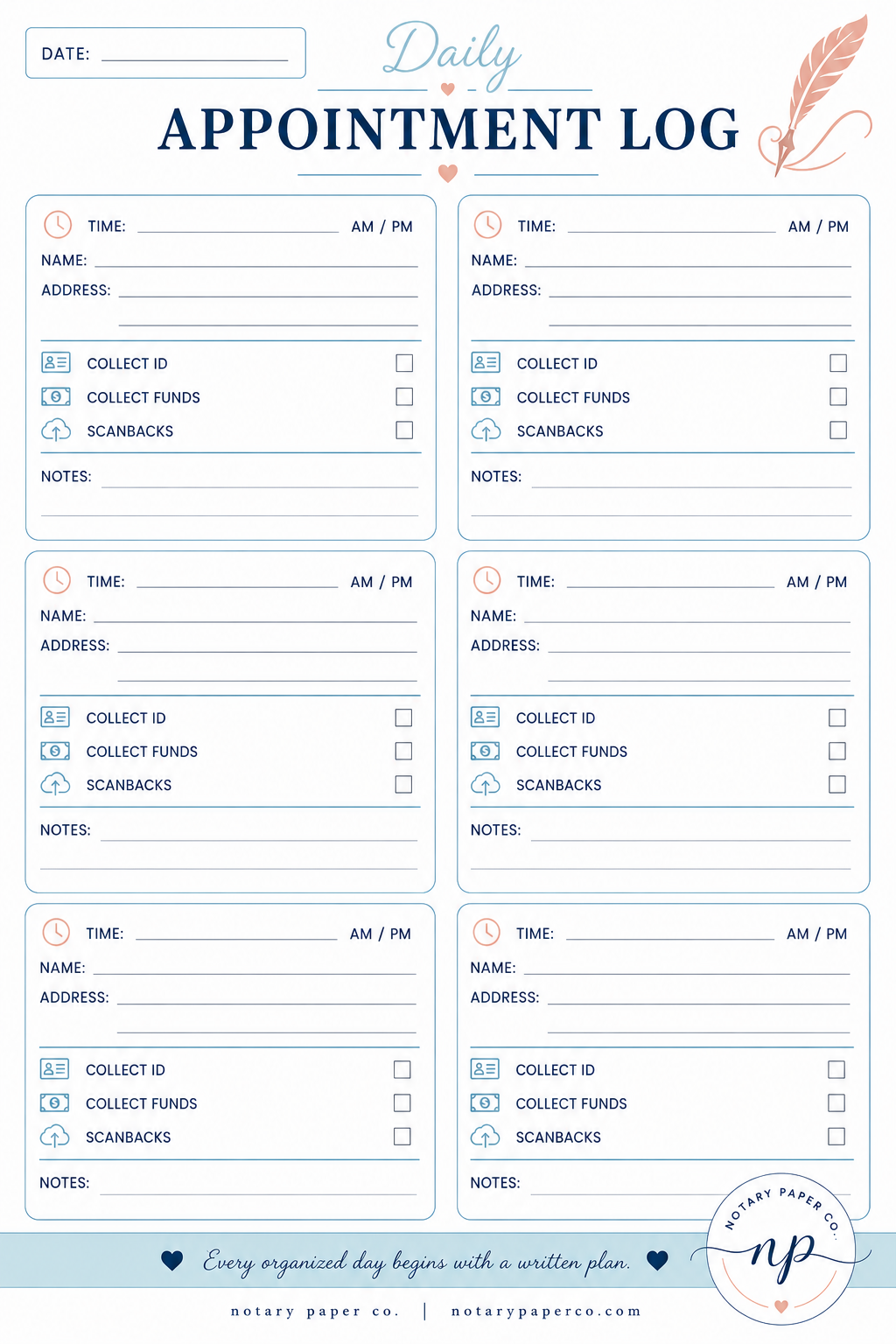
For busy mobile notaries and signing agents, appointments can quickly add up.
A journal creates an organized timeline of your notarial activity that can make it much easier to locate a particular transaction later.
This is especially useful when someone contacts you and says:
“You notarized something for me a few months ago…”
Instead of trying to remember the appointment, you can consult your records, subject to your state’s rules regarding journal access and confidentiality.
Are Notary Journals Required?
That depends on where you are commissioned.
Some states require notaries to maintain journals for certain or all notarial acts, while others may not impose a general journal requirement. Requirements can also differ for traditional notarizations and remote online notarizations.
Even when a journal isn’t required for a particular notarization, keeping one may still be a valuable professional practice when permitted by state law.
Always check your state’s current notary statutes, rules, and commissioning authority for the requirements that apply to you.
What Should You Look for in a Notary Journal?
A useful notary journal should make recordkeeping simple, organized, and easy to maintain.
Look for a journal with clearly labeled spaces for the information you routinely need to document. You should be able to complete an entry efficiently without searching through confusing columns or trying to squeeze important information into tiny spaces.
For mobile notaries especially, size and portability matter too. Your journal should be easy to carry in your notary bag while still providing enough room to maintain clear, legible records.
And yes—we believe your professional supplies can be functional and look good sitting on your desk. 😉
Your Journal Is Part of Your Professional Toolkit
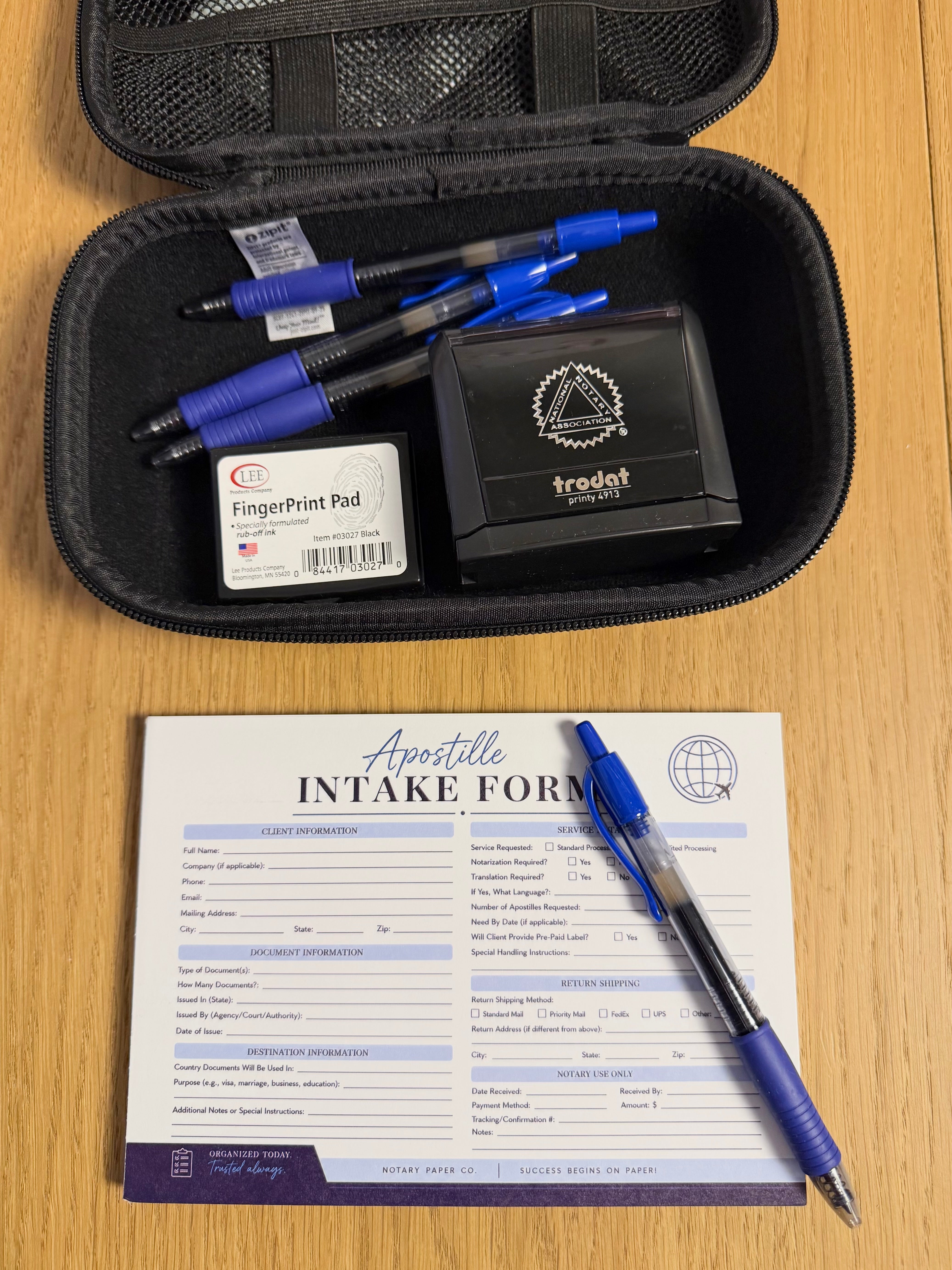
Your stamp and seal may get most of the attention, but your journal can be just as important to your notary practice.
It helps create a history of your work, supports consistent procedures, and provides documentation you may need long after an appointment is over.
For a professional notary, good recordkeeping isn’t just about filling in another line in a book.
It’s about documenting the work you performed and creating a record you can rely on later.
At Notary Paper Co., we believe notaries deserve supplies designed specifically for the way they actually work—from the first appointment of the day to the last journal entry of the evening.
Because being prepared is part of being professional.
Notary Paper Co. — Where Notaries Shop.